



Bathroom Warehouse Guides

Better planning starts with better advice.

Practical bathroom renovation, product-selection and maintenance guidance created for Singapore HDB and BTO homeowners.

Latest advice

Plan your bathroom with confidence.

Understand the measurements, installation requirements and everyday considerations that matter before you purchase or renovate.

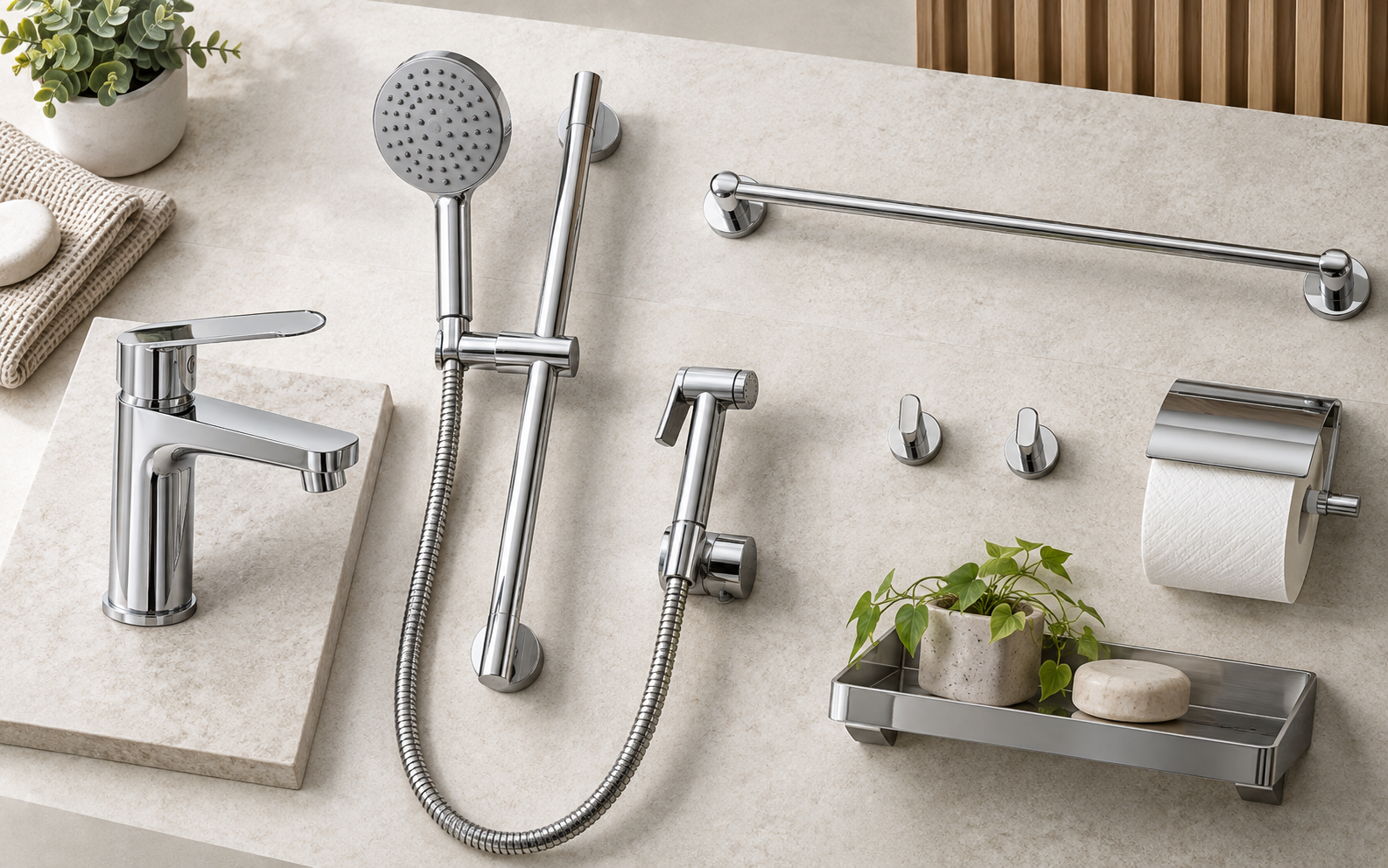
How to Choose Bathroom Accessories for a Small HDB ToiletSmall Bathroom Planning
5 min read

How to Choose Bathroom Accessories for a Small HDB Toilet

Choose useful fittings that save space, stay within reach and keep a compact toilet uncluttered.

Read guide →
How to Choose the Right Bathroom Towel Bar SizeAccessory Buying Guide
5 min read

How to Choose the Right Bathroom Towel Bar Size

Match the rail to your towel, wall width, door swing and the space around nearby fittings.

Read guide →
How to Choose the Right Bidet Spray for Your ToiletToilet Accessories
5 min read

How to Choose the Right Bidet Spray for Your Toilet

Compare spray material, hose length, trigger control, finish and holder position before buying.

Read guide →
How to Fix Low Water Pressure in a Rain Shower HeadShower Maintenance
5 min read

How to Fix Low Water Pressure in a Rain Shower Head

Check blocked nozzles, hoses, flow restrictions and the wider water supply before replacing the shower.

Read guide →
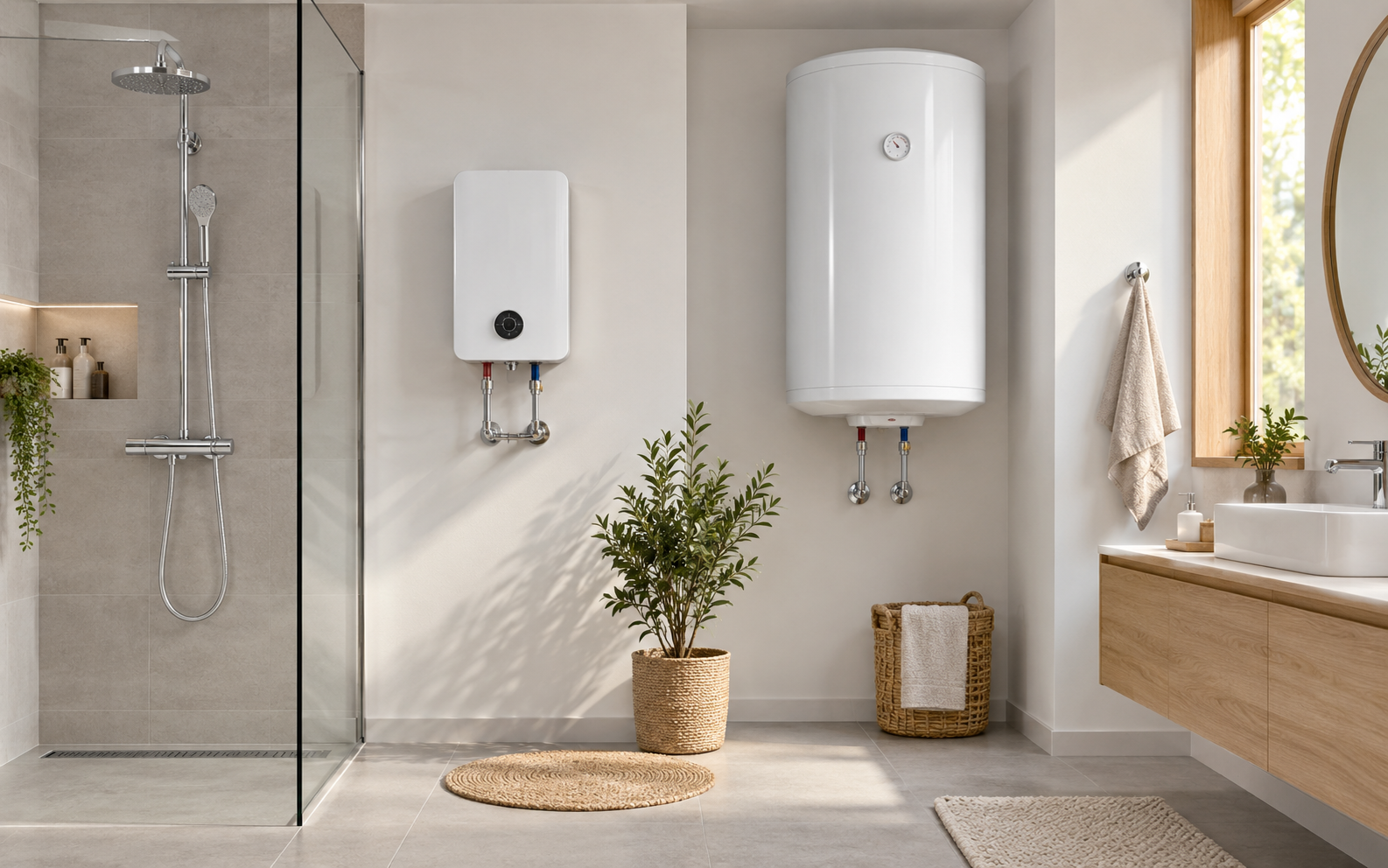
Instant vs Storage Water Heaters: Which Is Better?Water Heater Guide
6 min read

Instant vs Storage Water Heaters: Which Is Better?

Compare space, capacity, hot-water demand and the number of outlets each system needs to serve.

Read guide →
What Size Water Heater Is Recommended for a Family of 3 to 5?Water Heater Sizing
5 min read

What Size Water Heater Is Recommended for a Family of 3 to 5?

Use household routines, connected bathrooms and consecutive showers to compare 20L and 30L models.

Read guide →
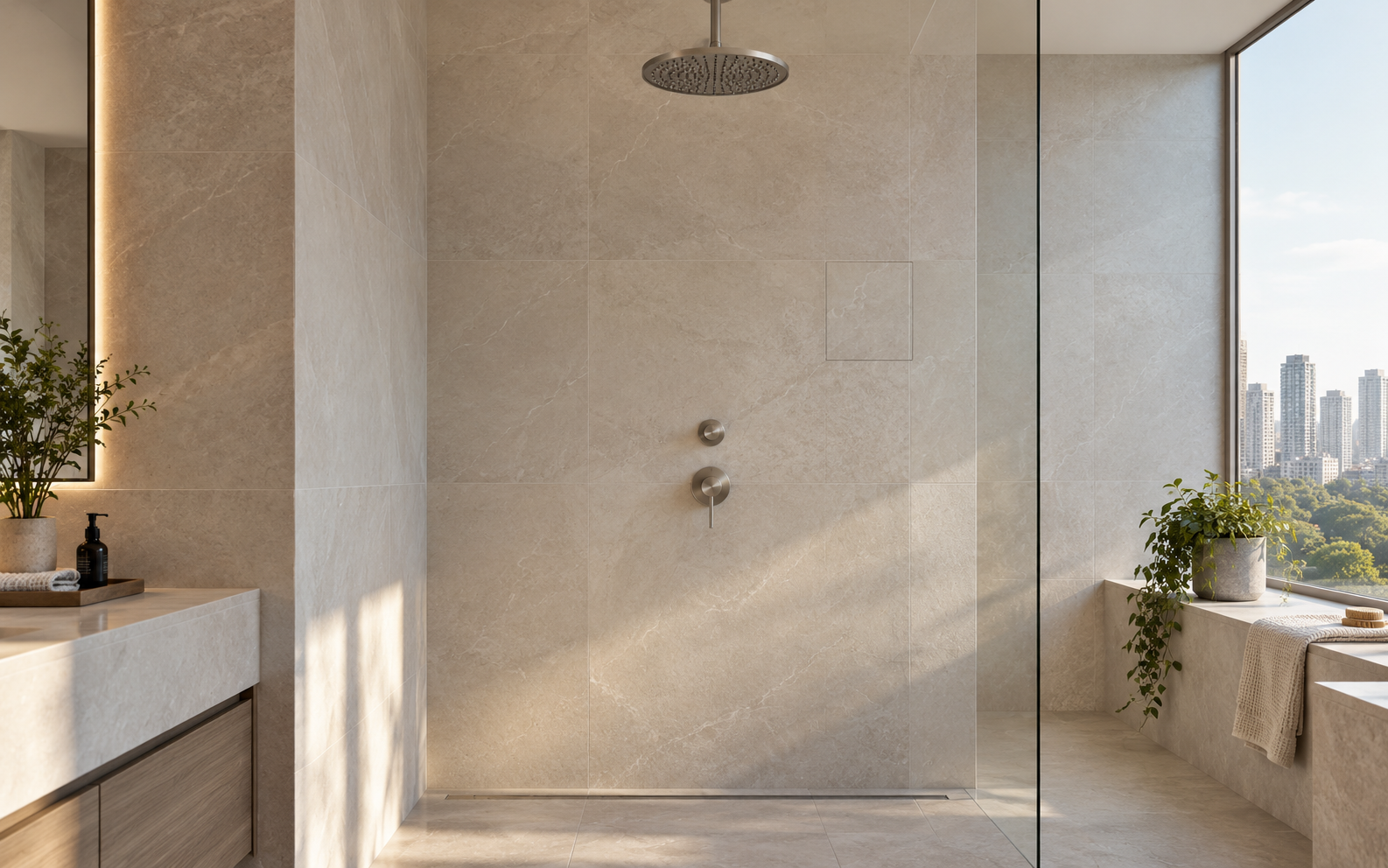
Are Concealed Shower Mixers Allowed in HDB Flats?HDB Shower Planning
6 min read

Are Concealed Shower Mixers Allowed in HDB Flats?

Check wall depth, pipe positions, future servicing and BTO renovation restrictions before installation.

Read guide →
BTO Bathroom Renovation: What Accessories Should You Buy Before the Contractor Starts?BTO Renovation
6 min read

BTO Bathroom Renovation: What Accessories Should You Buy Before the Contractor Starts?

Finalise fittings that affect plumbing, electrical points, mounting positions and usable space.

Read guide →
Can You Install a Bathtub in an HDB Flat? Size and Weight ConsiderationsHDB Space Planning
5 min read

Can You Install a Bathtub in an HDB Flat? Size and Weight Considerations

Understand sizing, drainage, access and how HDB's 400kg guidance applies specifically to spa pools.

Read guide →
Wall-Hung or Floor-Standing Toilet for a Small HDB Bathroom?Toilet Buying Guide
5 min read

Wall-Hung or Floor-Standing Toilet for a Small HDB Bathroom?

Compare visual space, cleaning, servicing and renovation requirements.

Read guide →
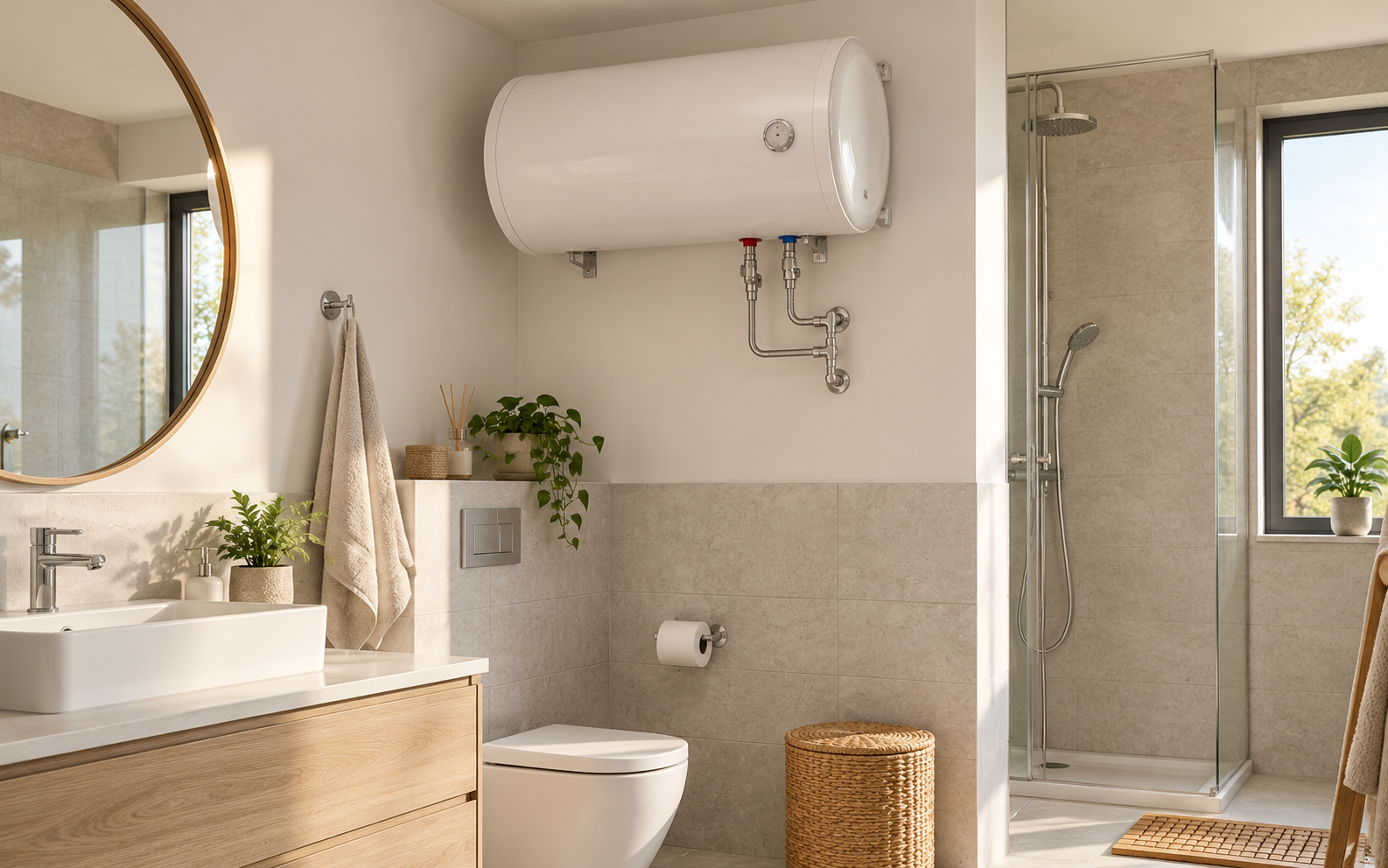
Where Should a Storage Water Heater Go in a 4-Room BTO?Water Heater Planning
5 min read

Where Should a Storage Water Heater Go in a 4-Room BTO?

Plan pipe routes, tank support and maintenance access before renovation starts.

Read guide →
Why Is My Bathroom Faucet Leaking From the Base?Bathroom Maintenance
5 min read

Why Is My Bathroom Faucet Leaking From the Base?

Find the real source and understand when to repair a seal, cartridge or the whole faucet.

Read guide →
Practical reading

All bathroom guides

Select a topic to open the full guide. Each article includes the key checks to discuss with your contractor or licensed professional.

How to Choose Bathroom Accessories for a Small HDB Toilet
Small Bathroom Planning · 5 min read

How to Choose Bathroom Accessories for a Small HDB Toilet

Choose useful fittings that save space, stay within reach and keep a compact toilet uncluttered.

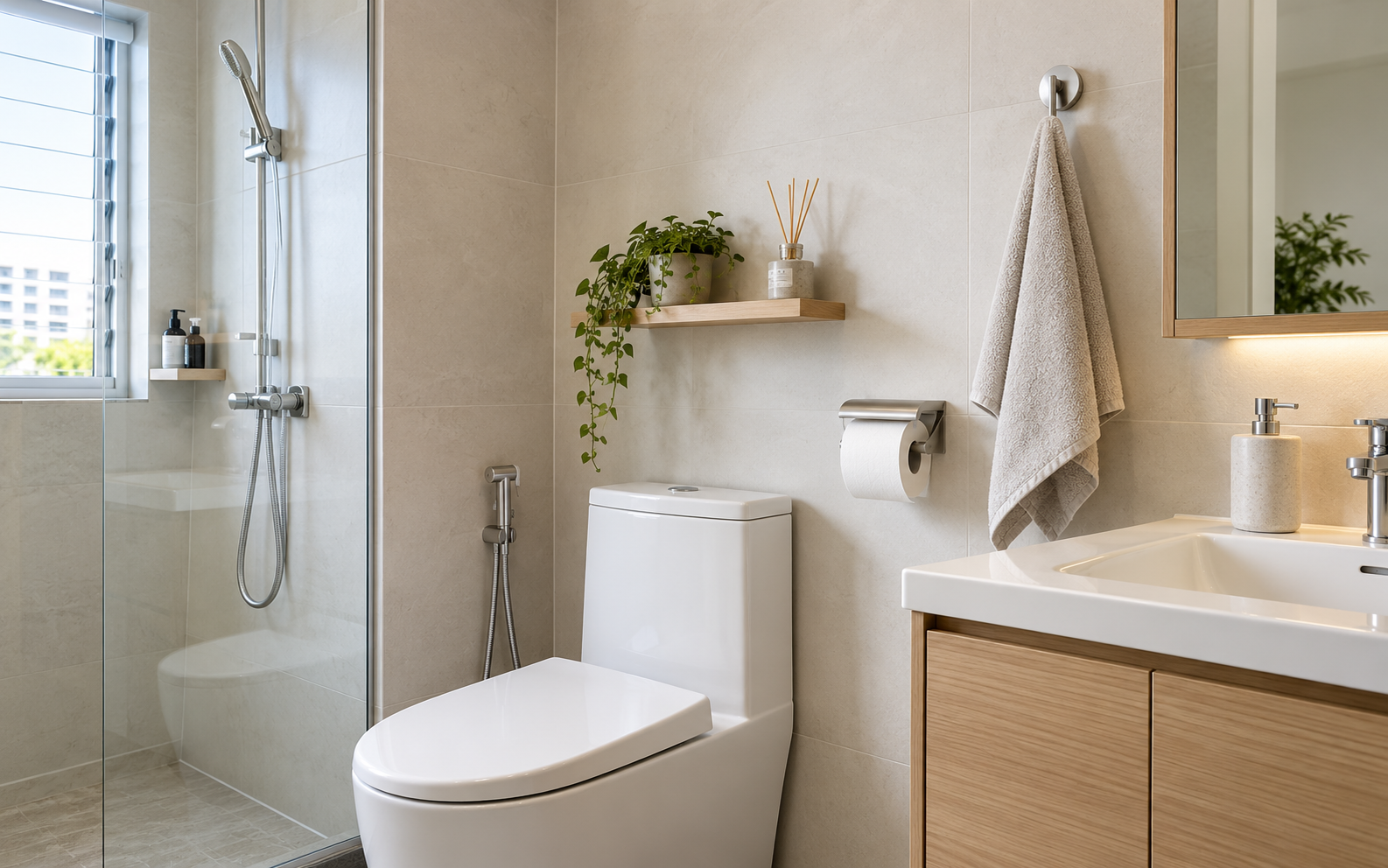
When choosing bathroom accessories for small HDB toilet spaces, focus on items that are useful without taking up too much wall or floor area. Accessories such as towel bars, toilet roll holders, shelves and hooks should be positioned where they are easy to reach without making the bathroom feel crowded.

A smaller bathroom does not need fewer functions, but each accessory should have a clear purpose and fit comfortably into the available space.

Start with the accessories you use every day

Before buying anything, think about what you actually need in the bathroom.

When selecting bathroom accessories for small HDB toilet layouts, useful items may include:

  • Toilet roll holder
  • Towel bar or towel ring
  • Robe hook
  • Soap holder or dispenser
  • Shower shelf
  • Bidet spray holder
  • Small storage shelf

Choosing the essentials first can help prevent too many fittings from being placed on the walls.

Look at the available wall space

In a compact HDB toilet, accessories are often installed close to the basin, toilet or shower area. Measure the wall before choosing longer towel rails or larger shelves.

A shorter towel bar may work better beside a basin, while hooks can be useful where there is not enough room for a full rail.

Bathroom Warehouse carries different bathroom accessories, including towel rails, toilet paper holders, robe hooks, soap holders and shelves in a range of sizes and finishes.

Keep frequently used items within reach

Position each accessory according to where you will use it.

For example, the toilet roll holder should be easy to reach from the toilet, while a hand towel should be placed close to the basin. Shower shelves should sit somewhere convenient without getting in the way when you move around.

When planning bathroom accessories for small HDB toilet spaces, also check the bathroom door and shower screen so they do not hit any accessories when opened.

Try to keep the finishes consistent

Using accessories with similar finishes can help a small bathroom look less cluttered.

If your basin mixer and shower fittings are chrome, black or another finish, choosing matching accessories can give the bathroom a more coordinated appearance. Bathroom Warehouse offers bathroom fittings and accessories in several finishes, making it easier to keep the overall look consistent.

Decide what your bathroom actually needs

Look at where you usually need a towel, toilet paper or toiletries and place the accessories around those areas first. This helps avoid installing items in places that may look convenient but are awkward to use later.

With bathroom accessories for small HDB toilet layouts, it is usually better to make use of the available walls carefully rather than adding an accessory to every empty area. Choose pieces that serve a clear purpose and still leave enough room to move comfortably.

Important: Renovation, electrical and regulated plumbing work should follow current HDB and PUB requirements. Confirm the final proposal with your contractor and Licensed Plumber before work begins.
How to Choose the Right Bathroom Towel Bar Size
Accessory Buying Guide · 5 min read

How to Choose the Right Bathroom Towel Bar Size

Match the rail to your towel, wall width, door swing and the space around nearby fittings.

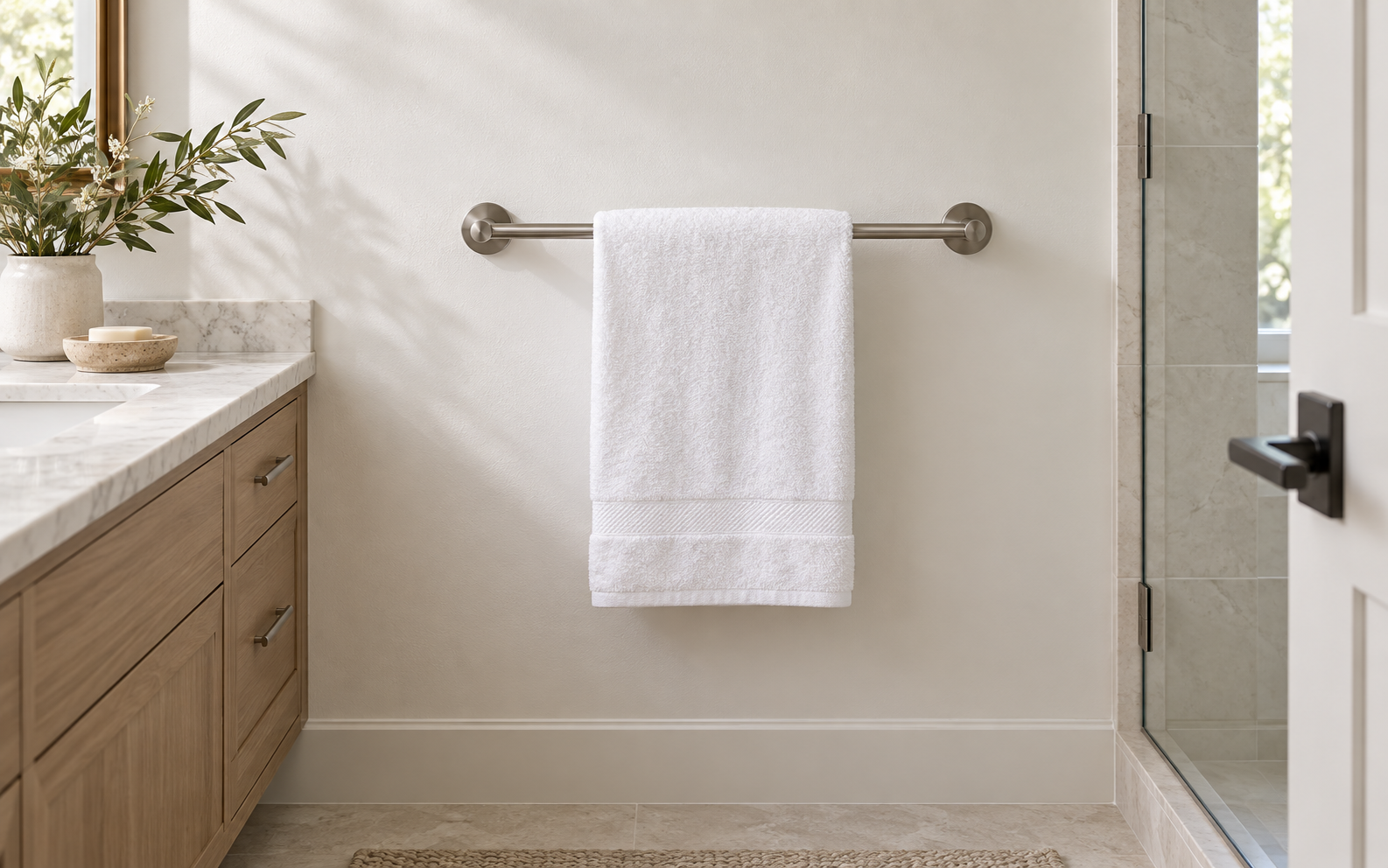
The right towel bar should fit the wall properly and give your towel enough room to hang without folding too tightly. When working out how to choose bathroom towel bar size, look at the towel width, the available wall area and what sits beside the rail.

The position and length of the rail should also suit the way you normally reach for and hang your towels.

First measure the wall space

Before choosing the towel bar, check the width of the wall where you plan to install it.

A longer towel bar may be useful if you want to hang a full-size bath towel, but it can look oversized on a narrow wall. A shorter bar may work better beside a basin or in a compact HDB bathroom.

When thinking about how to choose bathroom towel bar size, check:

  • Width of the available wall
  • Size of the towels you use
  • Distance from the basin or toilet
  • Clearance from the bathroom door
  • Space needed for the towel to hang freely
  • Whether you want one or two towels on the bar

Consider the size of your towels

Bath towels need more hanging width than hand towels.

If the towel bar is too short, the towel may need to be folded several times or may bunch together, which can make it harder to dry properly.

For hand towels near the basin, a shorter rail can be enough. Bathroom Warehouse currently carries towel rails in different sizes, including 300mm and 600mm models from the H+M SCHWARZ series, as well as a 600mm double towel rail.

This gives homeowners different options depending on the available wall space and the type of towel being used.

Think about where the towel bar will be installed

The towel bar should be easy to reach without blocking another bathroom fitting.

For example, a longer rail may not work well if it sits too close to a door swing or shower screen. A shorter model may fit more comfortably beside a basin or vanity.

Bathroom Warehouse also recommends checking dimensions and clearances when planning bathroom products, especially in smaller spaces.

Which towel bar size should you choose?

If you are unsure how to choose bathroom towel bar size, start with the towel you use most often and measure the wall where the bar will go.

A shorter rail may be enough for hand towels, while a longer one is usually more practical for bath towels. Ultimately, how to choose bathroom towel bar size comes down to the towel dimensions, wall space and surrounding bathroom layout.

Important: Renovation, electrical and regulated plumbing work should follow current HDB and PUB requirements. Confirm the final proposal with your contractor and Licensed Plumber before work begins.
How to Choose the Right Bidet Spray for Your Toilet
Toilet Accessories · 5 min read

How to Choose the Right Bidet Spray for Your Toilet

Compare spray material, hose length, trigger control, finish and holder position before buying.

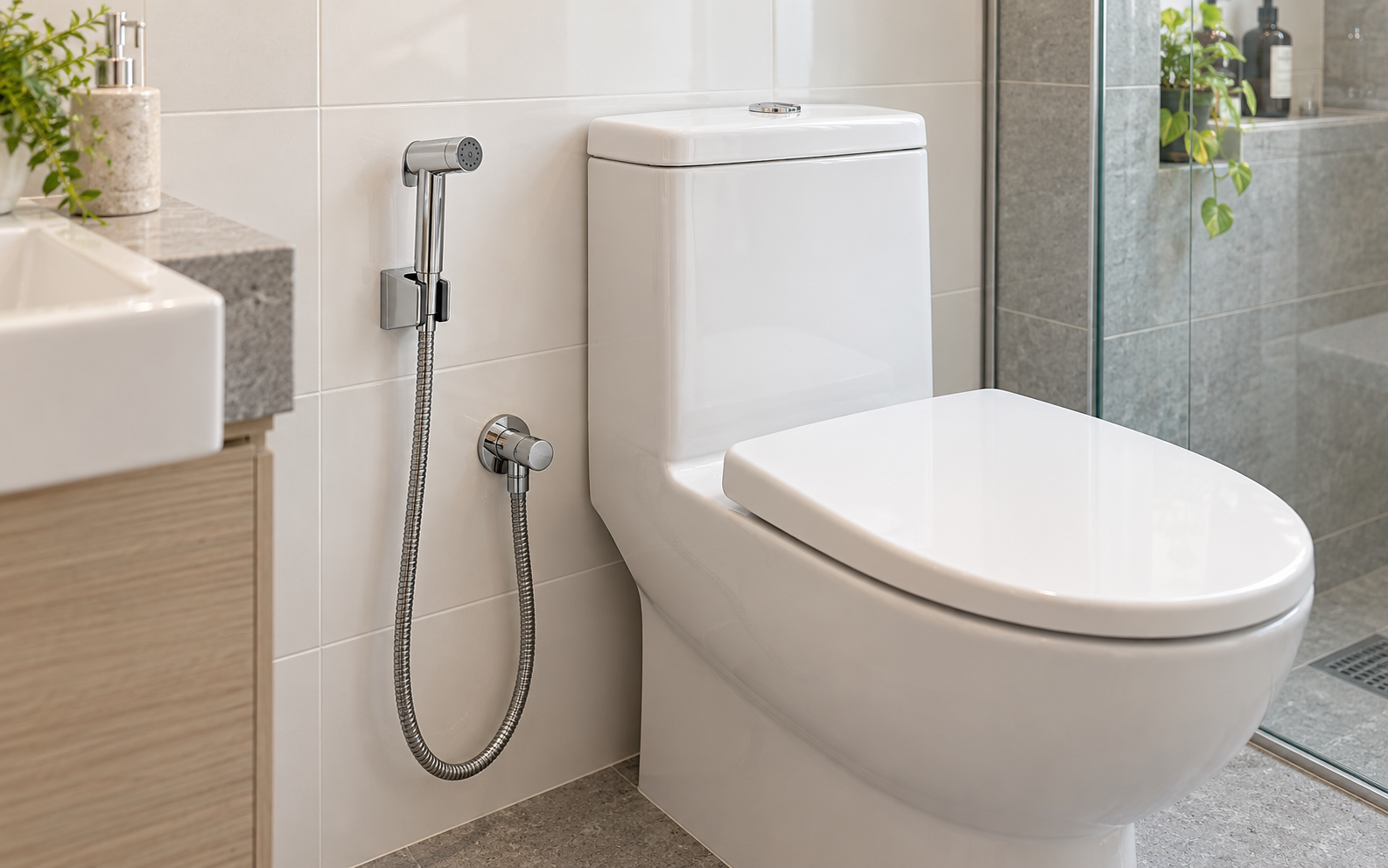
If you are wondering how to choose a bidet spray, look at the spray material, hose length, trigger control and where it will be mounted beside the toilet. The bidet spray should be easy to reach from the WC without the hose being stretched too tightly or getting in the way of other bathroom fittings.

A bidet spray may look like a simple bathroom accessory, but small differences in the spray head and hose can affect how comfortable it is to use every day.

First check the material of the spray

Bidet spray heads can be made from different materials, including ABS plastic and brass.

A brass spray may feel heavier in the hand, while an ABS model is generally lighter. Bathroom Warehouse currently carries both ABS and brass bidet spray sets from H+M, giving homeowners different options to compare.

When thinking about how to choose a bidet spray, consider:

  • Material of the spray head
  • How comfortable the trigger feels
  • Length of the flexible hose
  • Position of the wall bracket
  • Finish of the spray and fittings
  • Space available beside the toilet

Check the hose length

The hose should be long enough to reach comfortably around the toilet without being pulled tight.

Bathroom Warehouse's H+M bidet spray sets and GROHE Tempesta-F Trigger Spray, for example, are available with 1.2m flexible hoses.

A hose that is unnecessarily long may take up more space beside the WC, while one that is too short can make the spray awkward to use.

Think about where the holder will go

Before buying, decide which side of the toilet the bidet spray will be installed on.

The holder should be easy to reach while seated and should not interfere with the toilet roll holder, basin cabinet or bathroom door.

Bathroom Warehouse carries different bidet spray designs from brands such as H+M, GROHE and KOHLER, including chrome, white and other finishes.

Which bidet spray should you choose?

When deciding how to choose a bidet spray, start with how comfortably you can use it beside your existing toilet.

Check the hose length, spray material and mounting position before choosing based on appearance alone. Knowing how to choose a bidet spray can help you find one that is comfortable to hold, easy to reach and suitable for the available bathroom space.

Important: Renovation, electrical and regulated plumbing work should follow current HDB and PUB requirements. Confirm the final proposal with your contractor and Licensed Plumber before work begins.
How to Fix Low Water Pressure in a Rain Shower Head
Shower Maintenance · 5 min read

How to Fix Low Water Pressure in a Rain Shower Head

Check blocked nozzles, hoses, flow restrictions and the wider water supply before replacing the shower.

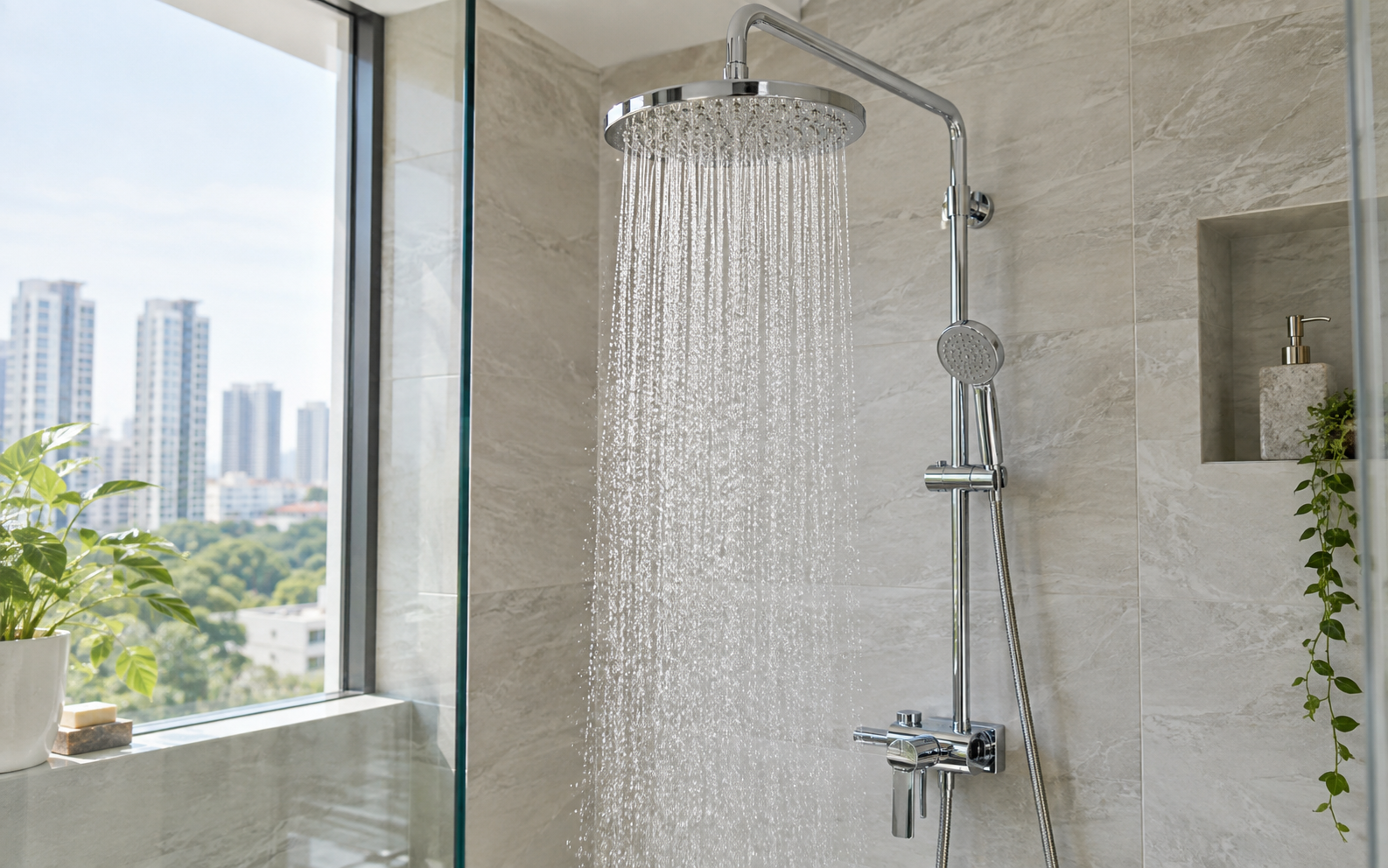
If you have low water pressure in a rain shower, first check whether the problem comes from the shower head itself or from the water supply. Blocked shower nozzles, debris, a restricted water flow or problems elsewhere in the plumbing can all make the rain shower feel weaker than usual.

A rain shower spreads water over a larger area, so a reduction in water flow may be more noticeable compared with a smaller hand shower.

First check the rain shower head

If the water pressure used to be stronger and has gradually become weaker, start by looking at the shower head.

Dirt or debris inside the spray nozzles can affect how evenly the water comes out. KOHLER recommends cleaning clogged shower nozzles with a finger or soft brush when the flow becomes inconsistent, while GROHE also recommends regular nozzle cleaning to maintain even water distribution.

When checking low water pressure in a rain shower, look for:

  • Blocked or uneven spray nozzles
  • Dirt around the shower head
  • A twisted or damaged shower hose
  • Weak flow from both hot and cold water
  • A sudden change in water pressure

Check whether other taps have the same problem

Turn on another bathroom tap or shower and compare the water flow.

If only the rain shower feels weak, the problem may be somewhere within the shower head, mixer or shower system. If several taps around the home suddenly have weak flow, the problem may be related to the wider water supply instead.

PUB notes that low water pressure can sometimes result from problems such as pump failure or leaks in the water main.

Consider the shower system itself

Some shower products have built-in flow restrictors to control water usage, so a lower flow does not always mean that the shower is faulty. GROHE, for example, states that some of its shower products contain integrated flow restrictors.

Bathroom Warehouse carries rain showers and shower systems in different sizes and configurations, including products from GROHE, KOHLER, GESSI and other brands.

How should you fix low water pressure in a rain shower?

If cleaning the nozzles does not improve low water pressure in a rain shower, check whether the same problem affects other water fittings before replacing the shower head.

For plumbing changes or problems that cannot be easily identified, PUB requires regulated water service plumbing works to be carried out by a Licensed Plumber.

Finding the cause of low water pressure in a rain shower first can help you decide whether the shower simply needs cleaning, servicing or a closer inspection of the plumbing system.

Important: Renovation, electrical and regulated plumbing work should follow current HDB and PUB requirements. Confirm the final proposal with your contractor and Licensed Plumber before work begins.
Instant vs Storage Water Heaters: Which Is Better?
Water Heater Guide · 6 min read

Instant vs Storage Water Heaters: Which Is Better?

Compare space, capacity, hot-water demand and the number of outlets each system needs to serve.

When comparing instant vs storage water heaters, the better option depends on the amount of hot water your household uses, how much installation space you have and whether hot water is needed at one or several outlets. Instant heaters warm water when it is needed, while storage heaters keep a quantity of heated water inside a tank ready for use.

There is no one water heater that will suit every household, so it helps to understand how both systems work before choosing one.

Reasons to consider an instant water heater

An instant water heater heats the water as you use it instead of keeping hot water stored inside a tank. This also means that the unit itself is generally more compact and can be useful in bathrooms where available space is limited.

When comparing instant vs storage water heaters, an instant model may suit you if you prefer:

  • A more compact unit
  • Hot water heated when required
  • No storage tank taking up additional space
  • A straightforward option for individual bathrooms

Bathroom Warehouse carries electric instant water heaters, including several Ariston Aures models designed for bathroom shower use.

Why choose a storage water heater?

A storage heater first heats water and keeps it warm inside an insulated tank until it is needed. Depending on the plumbing arrangement, one storage heater can also supply hot water to several outlets. Bathroom Warehouse notes that this can make storage units useful in homes with multiple bathrooms or larger households.

A storage model may be worth considering if you want:

  • Stored hot water ready for use
  • Hot water supplied to multiple outlets
  • Different tank capacities to suit the household
  • A system planned together with several bathroom fittings

The main difference when looking at instant vs storage water heaters is the tank. Storage heaters require more installation space, so the heater size and position should be planned early.

Which water heater should you choose?

If bathroom space is limited and you mainly need hot water for one shower, an instant heater may be more convenient. If several people or outlets need hot water, a storage heater may be worth considering.

HDB has electrical renovation guidelines covering both instantaneous and storage water heaters, while regulated water service plumbing works must follow PUB requirements.

Ultimately, instant vs storage water heaters should be compared according to your household size, bathroom layout, available installation space and normal hot-water usage.

Important: Renovation, electrical and regulated plumbing work should follow current HDB and PUB requirements. Confirm the final proposal with your contractor and Licensed Plumber before work begins.
What Size Water Heater Is Recommended for a Family of 3 to 5?
Water Heater Sizing · 5 min read

What Size Water Heater Is Recommended for a Family of 3 to 5?

Use household routines, connected bathrooms and consecutive showers to compare 20L and 30L models.

For a storage water heater for a family of 3 to 5, a 20L or 30L model is a useful starting point to compare. However, household size is not the only consideration, as the number of bathrooms, shower habits and whether several people use hot water one after another can affect the capacity you need.

Bathroom Warehouse currently carries storage water heaters in several capacities, including 15L, 20L and 30L models, giving households different sizes to consider.

First consider how your family uses hot water

A larger household will normally use more hot water, but five people who take short showers may have very different requirements from three people who prefer longer showers.

When choosing a storage water heater for a family of 3 to 5, consider:

  • Number of people using the heater
  • Number of bathrooms connected
  • How long each person normally showers
  • Whether showers are taken one after another
  • Whether hot water also supplies basin or kitchen taps

Bathroom Warehouse recommends considering both the number of users and number of bathrooms when deciding on storage heater capacity.

Is a 20L storage water heater enough?

A 20L storage heater may be worth considering where space is limited and the household does not have heavy hot-water use. Bathroom Warehouse currently carries 20L slim storage heaters alongside larger 30L units.

For a storage water heater for a family of 3 to 5, the main question is whether the heater can comfortably meet the family's normal shower routine rather than simply choosing according to headcount.

When should you consider a 30L model?

A 30L storage heater provides a larger stored volume and may be more suitable to compare if several family members shower consecutively or if the heater supplies more than one outlet. Bathroom Warehouse notes that storage heaters can be useful for larger households and homes with multiple bathrooms.

Bathroom Warehouse carries several 30L models from Ariston and Viessmann, including compact and slim designs.

Which water heater size should you choose?

When choosing a storage water heater for a family of 3 to 5, start by comparing 20L and 30L models, then consider your actual hot-water use and available installation space.

The most suitable storage water heater for a family of 3 to 5 is one that provides enough hot water for normal household use without selecting a tank that is unnecessarily large for your bathroom and daily routine.

Important: Renovation, electrical and regulated plumbing work should follow current HDB and PUB requirements. Confirm the final proposal with your contractor and Licensed Plumber before work begins.
Are Concealed Shower Mixers Allowed in HDB Flats?
HDB Shower Planning · 6 min read

Are Concealed Shower Mixers Allowed in HDB Flats?

Check wall depth, pipe positions, future servicing and BTO renovation restrictions before installation.

Yes, concealed shower mixers in HDB flats are generally possible, but the installation has to follow HDB renovation requirements and PUB plumbing rules. Because part of the mixer and pipework sits behind the wall, more planning may be required compared with an exposed shower mixer.

A concealed mixer gives the shower area a cleaner appearance because most of the working parts are hidden behind the finished wall, leaving mainly the controls visible.

First check what work is needed behind the wall

Installing concealed shower mixers in HDB flats may involve work to the wall and existing water pipes. This should therefore be discussed with your contractor before tiles and other bathroom finishes are completed.

Things to consider before choosing a concealed mixer:

  • Position of the existing water pipes
  • Depth required for the built-in mixer
  • Location of the shower controls
  • Access for future servicing
  • Whether wall finishes need to be removed

Bathroom Warehouse carries concealed shower mixer sets and built-in components from brands such as Duravit and GESSI, giving homeowners several concealed and exposed options to compare.

Take note if you have a new BTO

For newly built HDB flats, there is a 3-year restriction on removing the original wall and floor finishes in bathrooms and toilets. HDB states that these finishes provided by HDB or the developer should not be replaced during this period.

This can affect the installation of concealed shower mixers in HDB flats if the proposed work requires removing or altering the original bathroom wall finish. It is therefore better to let your renovation contractor check what can be done before purchasing the mixer.

Check the plumbing requirements

PUB requires regulated water service and sanitary plumbing works to be carried out by a Licensed Plumber. PUB also requires water fittings supplied for use in Singapore, including taps and mixers, to comply with its stipulated standards and requirements.

This is especially relevant to concealed shower mixers in HDB flats because changing the existing pipe arrangement may involve more than simply replacing an exposed mixer.

Should you choose a concealed shower mixer?

If you prefer a neat and minimalist shower area, concealed shower mixers in HDB flats can be considered. However, the plumbing route, wall construction and access for maintenance should be checked beforehand.

For a new BTO, the 3-year bathroom restriction should also be taken into account. Ultimately, concealed shower mixers in HDB flats are best planned together with your contractor and Licensed Plumber before renovation work begins.

Important: Renovation, electrical and regulated plumbing work should follow current HDB and PUB requirements. Confirm the final proposal with your contractor and Licensed Plumber before work begins.
BTO Bathroom Renovation: What Accessories Should You Buy Before the Contractor Starts?
BTO Renovation · 6 min read

BTO Bathroom Renovation: What Accessories Should You Buy Before the Contractor Starts?

Finalise fittings that affect plumbing, electrical points, mounting positions and usable space.

Before the contractor begins work, it is useful to decide on your main BTO bathroom renovation accessories and fittings first. Items such as the toilet bowl, basin, taps, shower set, water heater and bathroom accessories can affect where pipes, electrical points and mounting positions need to be prepared.

Buying these items early also gives your contractor the actual measurements to work with instead of estimating the space required.

First decide on the main bathroom fittings

Some items should be selected before smaller accessories because they have a bigger effect on the bathroom layout.

When planning your BTO bathroom renovation accessories and fittings, consider:

  • Toilet bowl
  • Bathroom basin
  • Basin mixer
  • Shower mixer or rain shower
  • Water heater
  • Bidet spray
  • Mirror or mirror cabinet
  • Towel bars and hooks
  • Toilet roll holder
  • Bathroom shelves

Bathroom Warehouse carries toilet bowls, basins, shower fittings, water heaters and bathroom accessories, making it easier to compare the dimensions and finishes before renovation begins.

Check the measurements before the contractor starts

The size of each product can affect where it is installed.

For example, the width of a basin may affect the vanity size, while the height and projection of a tap should work properly with the basin. A mirror cabinet also needs enough wall space, and your shower fittings should be positioned where they are comfortable to reach.

Choosing your BTO bathroom renovation accessories beforehand allows the contractor to plan these positions around the actual products.

Think about plumbing and electrical points

Items connected to the water supply should be discussed with the contractor early, especially if the existing pipe positions need to be changed. PUB requires regulated water service and sanitary plumbing works to be carried out by Licensed Plumbers, except for simple plumbing works that may be carried out by handymen.

The water heater should also be selected early so that its electrical and plumbing requirements can be considered during renovation.

What should BTO homeowners check before renovation?

For newly built HDB flats, the original bathroom and toilet wall and floor finishes generally cannot be removed during the first three years from the block's completion date.

HDB also requires homeowners to use contractors listed in its Directory of Renovation Contractors for renovation works.

When choosing BTO bathroom renovation accessories, it is therefore useful to finalise the important fittings first and let your contractor check how they fit into the renovation plan.

Having your BTO bathroom renovation accessories ready early can reduce last-minute changes and make it easier to plan the bathroom around the actual products you intend to use.

Important: Renovation, electrical and regulated plumbing work should follow current HDB and PUB requirements. Confirm the final proposal with your contractor and Licensed Plumber before work begins.
Can You Install a Bathtub in an HDB Flat? Size and Weight Considerations
HDB Space Planning · 5 min read

Can You Install a Bathtub in an HDB Flat? Size and Weight Considerations

Understand sizing, drainage, access and how HDB's 400kg guidance applies specifically to spa pools.

You can install a bathtub in an HDB flat, but it has to fit within the existing bathroom space and follow the relevant HDB requirements. Before choosing one, consider the size of the bathtub, drainage position, plumbing arrangement and the amount of space left around the other bathroom fittings.

Installing a bathtub is possible in some HDB bathrooms, although space is usually the first issue to consider.

First check whether the bathtub will fit

A bathtub in an HDB flat should not be selected according to length alone. Its width and height should also be considered, together with the space needed to move comfortably around the bathroom.

Before buying a bathtub, check:

Length and width of the bathtub

Space between the bathtub, toilet and basin

Position of the bathroom entrance

Location of the floor trap and drainage

Water pipe positions

Access for cleaning and maintenance

Bathroom Warehouse carries built-in and freestanding bathtubs in a number of dimensions, including smaller models around 1200mm in length that may be considered for bathrooms with less available space.

HDB requirements for long baths

HDB has guidelines covering the installation of long baths in HDB bathrooms.

For example, the bathroom should not simply be extended to create additional space for the bath, and the void underneath a long bath should not be filled completely with cement mortar or similar materials. Access should also be available where required for inspection and maintenance.

This means a bathtub in an HDB flat should be chosen based on the existing bathroom layout rather than buying a large bathtub and modifying the bathroom around it.

What about the 400kg weight limit?

The 400kg limit stated in HDB's guidelines applies specifically to spa pools, including the combined weight of the spa pool, water, motor and accessories.

It should therefore not automatically be treated as the weight limit for every normal bathtub.

What should you check before installing a bathtub?

PUB considers the installation, replacement or removal of a bathtub to be simple sanitary plumbing work. However, other regulated plumbing alterations may require a Licensed Plumber.

Before installing a bathtub in an HDB flat, let your contractor check the dimensions, drainage and plumbing arrangement first.

The most suitable bathtub in an HDB flat is one that fits comfortably into the bathroom without making access, maintenance or everyday use difficult.

Important: Renovation, electrical and regulated plumbing work should follow current HDB and PUB requirements. Confirm the final proposal with your contractor and Licensed Plumber before work begins.
Toilet Buying Guide · 5 min read

Wall-Hung or Floor-Standing Toilet for a Small HDB Bathroom?

Compare visual space, cleaning, servicing and renovation requirements.

Wall-hung toilets make the floor look cleaner and more open, while floor-standing toilets are usually more straightforward to replace and access for maintenance. The better choice depends on the bathroom layout and renovation scope.

Why choose a wall-hung toilet?

The cistern and support frame are concealed behind the finished wall, leaving the bowl suspended above the floor.

  • Modern, minimalist appearance
  • More visible floor area in a small bathroom
  • Easier cleaning beneath the bowl
  • Concealed cistern design

The frame, cistern, wall depth and servicing access must all be planned before finishing work.

Why choose a floor-standing toilet?

A floor-standing model sits directly on the floor and is common in HDB bathrooms. It may suit a straightforward replacement where you want to keep the existing layout.

  • Easier access for maintenance
  • Simpler replacement
  • More size and design choices
  • A familiar toilet configuration

Which is better for a small HDB bathroom?

Choose wall-hung when aesthetics, visible floor area and easier floor cleaning are priorities. Choose floor-standing when straightforward replacement and maintenance access matter more.

Compare width, depth, pipe configuration and clearance from surrounding fittings before deciding.

Important: Renovation and regulated plumbing work should follow current HDB and PUB requirements. Confirm the final proposal with your contractor and Licensed Plumber before work begins.
Water Heater Planning · 5 min read

Where Should a Storage Water Heater Go in a 4-Room BTO?

Plan pipe routes, tank support and maintenance access before renovation starts.

Place a storage water heater close enough to the bathrooms for practical pipe routing, while retaining enough space for secure installation and future servicing. The ideal position depends on the BTO layout.

Consider the distance from both bathrooms

When one heater supplies the master and common bathrooms, its location affects the route taken by the hot-water pipes. A shorter, more direct route can be easier to plan.

  • Distance from master and common bathrooms
  • Existing hot and cold water-pipe routes
  • Available wall or ceiling space
  • Access needed for servicing and replacement
  • Tank size and household usage

Keep enough maintenance access

A heater may look neater above a ceiling or behind a structure, but it should not become inaccessible. It will need inspection, servicing or replacement in future.

Remember that the unit becomes considerably heavier when its tank is filled. Capacities such as 15L, 20L and 30L require different amounts of space and support.

Plan plumbing and electrical work together

Confirm the location before plumbing and electrical work begins. Regulated plumbing work should be carried out by a Licensed Plumber, while electrical work must follow the applicable requirements.

So where should it go?

The better location keeps the pipe route practical, provides sufficient structural support and allows safe maintenance access. Check the proposed location together with the chosen tank dimensions.

Important: Renovation and regulated plumbing work should follow current HDB and PUB requirements. Confirm the final proposal with your contractor and Licensed Plumber before work begins.
Bathroom Maintenance · 5 min read

Why Is My Bathroom Faucet Leaking From the Base?

Find the real source and understand when to repair a seal, cartridge or the whole faucet.

A faucet leaking from its base may have worn O-rings or seals, a damaged cartridge, or water running down from another part of the tap. Find the first point where moisture appears before deciding what to repair.

Find the actual source

Dry the tap, basin and countertop completely. Turn the water on and watch carefully for the first sign of moisture.

  • Water appearing around the spout base
  • Water coming from underneath the handle
  • A leak that occurs only while the tap is running
  • Water underneath the basin or countertop
  • A faucet body that feels loose

Water can travel down from the handle and collect at the base, making the source look different from where the leak began.

Check O-rings and seals

Worn or damaged seals are a common cause. Dirt and debris may also prevent a watertight seal. Use replacement parts made for the exact faucet model.

The cartridge may be responsible

If the leak continues even when the faucet is turned off, the valve or cartridge should be checked. Always turn off the water supply before removing any components.

Repair or replace?

A worn seal or cartridge may be repairable. Replacement may make more sense for an older faucet with corrosion, damaged components or repeated leaks. If the source remains unclear, ask a plumber to inspect it before the problem worsens.

Important: Renovation and regulated plumbing work should follow current HDB and PUB requirements. Confirm the final proposal with your contractor and Licensed Plumber before work begins.
Visit Bathroom Warehouse

See, compare and choose with confidence.

Explore products online or visit our Singapore showroom to compare sizes, finishes and practical options for your home.

Plan your showroom visit →